The question posed by the project name itself demands an answer: aids or love? Resources or relationship? Things or presence? In 2024, we discovered the answer isn’t either/or, it’s both/and.
“Aids or Love” emerged from conversations with communities we’d served in previous years. They told us something we needed to hear: material support matters tremendously, but it’s incomplete without genuine connection. People don’t just need things. They need to feel seen, heard, known. They need love that goes beyond logistics.
So we designed a project that deliberately integrated both.
Beyond Transactions
Previous projects had taught us efficiency: arrive, distribute, impact, depart. Get maximum reach with available resources. Serve as many people as possible. These aren’t bad principles, they’re necessary in resource-limited settings. But efficiency, taken to its extreme, can become transactional. And people aren’t transactions.
“Aids or Love” asked us to slow down. To stay longer. To prioritize depth over breadth. To measure success not just in supplies distributed but in connections made, in stories heard, in relationships begun.
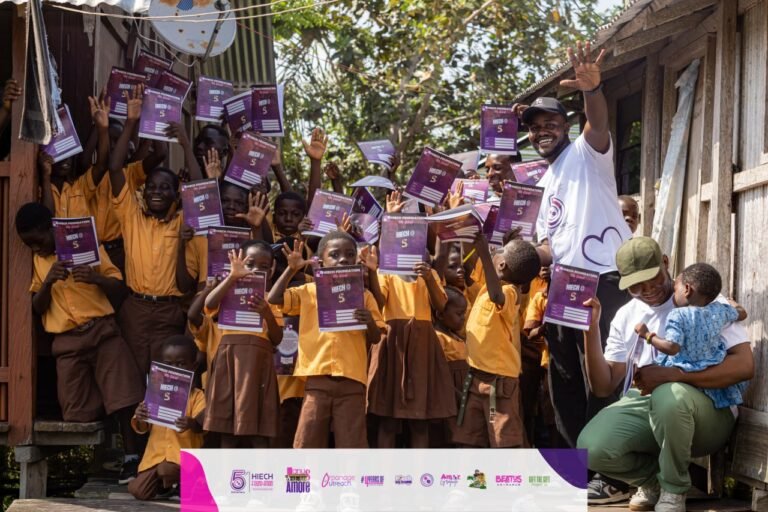
The project unfolded across several communities, each receiving both material aid and intentional presence. We brought food, household supplies, educational materials, hygiene products, the practical supports that make life more manageable. But we also brought volunteers trained in active listening, in asking questions beyond “what do you need?” to “how are you, really?”
The Conversation That Changed Everything
In one community, a grandmother named Auntie Ama received her supply package graciously. She thanked us, smiled, began to turn away. A volunteer gently asked, “Auntie, can we sit with you for a moment? We’d love to hear your story.”
Auntie Ama looked surprised. Suspicious, even. “You don’t have time. Many people are waiting.”
“We have time,” the volunteer assured her. “You’re not holding anyone up. We made time for this specifically.”
What poured out over the next thirty minutes was a life story that needed telling. Loss, resilience, current struggles raising three grandchildren alone, fears about the future, pride in her grandchildren’s school achievements despite everything. She cried. The volunteer cried. Others gathered, listening, adding their own stories.
When we finally stood to leave, Auntie Ama held both the volunteer’s hands. “The supplies will help for maybe two weeks. But this”, she gestured to her chest, “this fills something that’s been empty much longer. Thank you for seeing me as a person, not just a problem to solve.”
That’s the project name answered. Aids and love. Both/and.
What Volunteers Learned
The “Aids or Love” project transformed our volunteers as much as it impacted communities. Many came expecting to give and were unprepared for how much they’d receive, wisdom, perspective, gratitude that humbled them, stories that would stick with them for life.
One volunteer, a young professional named Kwame, reflected afterward: “I’ve done volunteer work before, but it always felt like I was the one with something to offer. This project showed me I’ve been receiving from communities all along, I just wasn’t slowing down enough to notice. These aren’t people who need rescuing. They’re people worth knowing.”
Another volunteer, Abena, said: “The supplies we gave will run out. But the woman I sat with today? She’ll remember that someone thought her story mattered. I’ll remember her too. That’s the real gift.”
Measuring What Matters
How do you measure connection? How do you quantify love? How do you put relationship into an impact report?
You can’t, not really. But you can measure ripples. You can track volunteers who stay connected with families they met. You can count community members who later reach out just to talk, just to update us on their lives. You can observe the difference in how people engage when they know they’re valued beyond what they can receive.
“Aids or Love” taught us that impact metrics should include unmeasurables. The spreadsheet tracks supplies distributed, people served, funds allocated. But the real story lives in spaces between numbers—in conversations, in tears, in laughter, in humanity recognized and honored.
Why This Matters Now
In an age of efficiency, optimization, and scale, “Aids or Love” is a radical stance. It says: slow down. It says: people over processes. It says: relationships matter as much as resources, maybe more.
This doesn’t mean abandoning efficiency or refusing to scale. It means refusing to let efficiency dehumanize the work. It means choosing to scale relationships alongside resources. It means remembering that every person we serve is a whole universe of experience, story, dignity, and worth—and treating them accordingly.
To our 2024 donors who supported “Aids or Love”: you funded something unmeasurable. You invested in intangibles. You said yes to a project that couldn’t promise neat metrics but could promise authentic connection. Thank you for trusting that love is its own justification.
To our volunteers who embraced the both/and: you gave time when time is the scarcest resource. You listened when listening required vulnerability. You saw people when seeing requires genuine attention. You embodied the answer to the project’s question.
And to the communities we served: thank you for letting us into your lives. Thank you for trusting us with your stories. Thank you for teaching us that giving and receiving flow in both directions. Thank you for reminding us that love isn’t separate from aid, love should be the foundation of all aid.
“Aids or Love” taught us the question was never either/or. It was always an invitation to both/and.